What Is a Unicorn? Why a Billion-Dollar Valuation Can Still Die

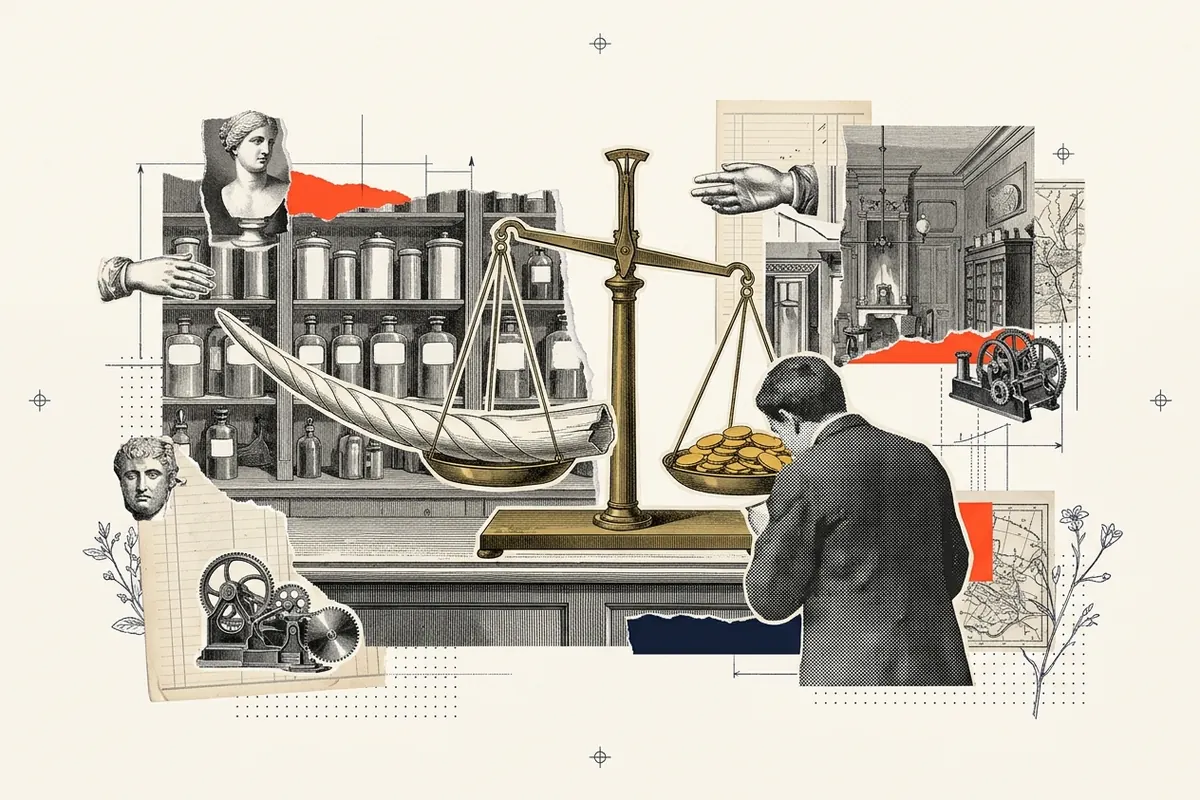
In the summer of 1577 Martin Frobisher came back from the Arctic with a spiral ivory shaft more than two metres long. As the story is usually told, it was presented to Elizabeth I and entered the royal treasure as the Horn of Windsor. The records offer no single consistent figure, but the value most often repeated is GBP 10,000: the price of a castle. What the Queen held was a unicorn's horn, believed to neutralise poison.
Such horns changed hands in European courts for centuries. Apothecaries sold them as powder. Nobody had seen a unicorn, but everybody knew that someone else had paid the price.
In 1638 in Copenhagen the Danish physician Ole Worm showed that the so-called horn was the tooth of an Arctic whale. The narwhal. The next day no tusk was any shorter, its weight had not changed, its spiral was the same. The only thing that changed was what people would pay for it.
What is a unicorn?
On 2 November 2013 the investor Aileen Lee published a piece in TechCrunch titled "Welcome To The Unicorn Club". She had counted US software startups founded in the previous decade that had reached a USD 1 billion value, and found 39. She gave something that rare the name of a mythical animal. Today a unicorn is a startup valued at USD 1 billion or more in a private funding round.
Thirteen years on the word has lost its rarity. The more interesting lists now run the other way. A compilation called Unitard Club counts, as of November 2026, 447 companies that were once unicorns and have since fallen below the line; 129 of them are dead or bankrupt. Of their USD 1.64 trillion in combined peak value, roughly USD 1.48 trillion has evaporated.
What the unicorns in the graveyard tell us
We compared that list with our own Startup Graveyard, verified the gaps against sources and added a badge to the entries. In November 2026, 97 of the 1,744 startups in the graveyard had once been unicorns. The full list is here; their peak values add up to USD 401.4 billion. The figures say four things.
- The fall is fast. Among the 70 companies whose unicorn year is known, the median time from that line to closure is 4 years. The badge often marks not the start of a company's life but its final stretch.
- The most common cause is still cash. In 35 of the 97 companies the main cause was running out of cash, in 23 a business model that did not work. A billion-dollar value is not a billion dollars in the bank.
- Value versus money. The 74 companies whose total funding is known raised about USD 69 billion and were valued at USD 239 billion at their peaks. The difference never reached the bank account.
- Capital-hungry sectors lead. Mobility comes first with 21 entries: electric vehicles, autonomous trucks, flying taxis. A factory answers later and at a higher price than software does.
What a valuation measures, and what it does not
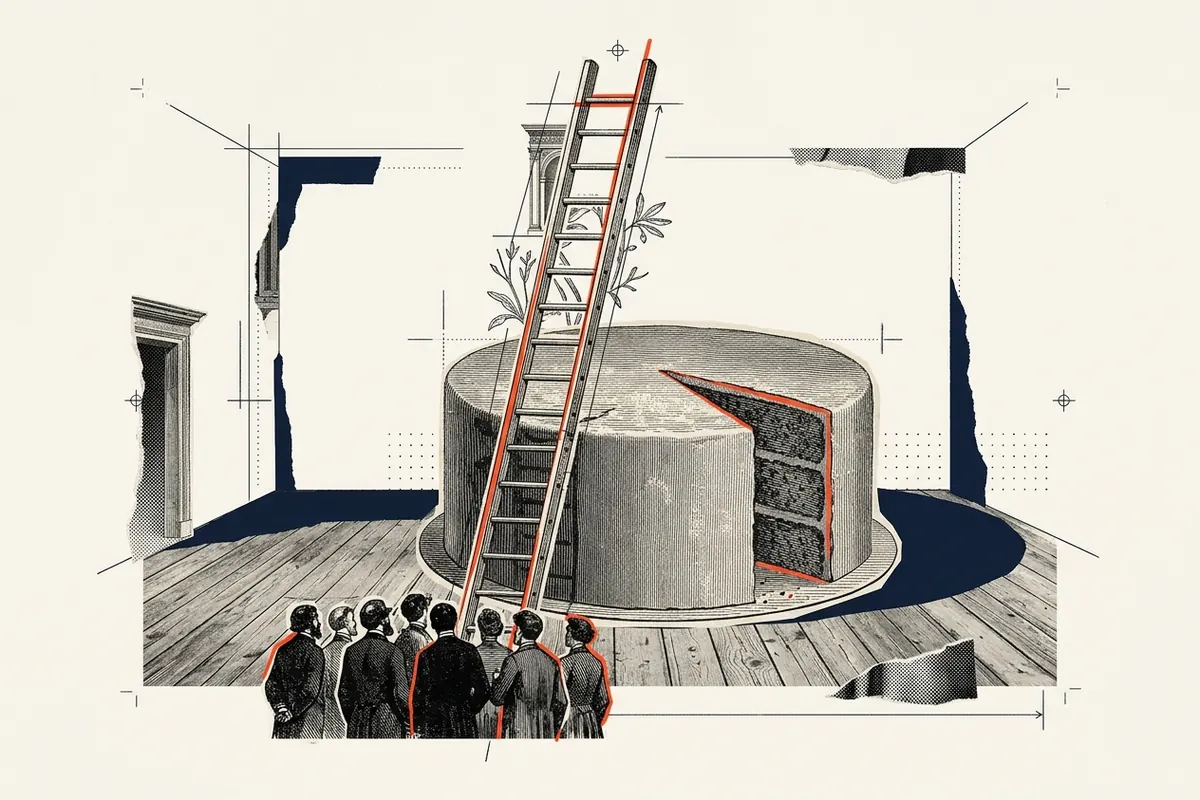
Say that in 2021 an investor pays USD 100 million for 10% of a company; the headline says "USD 1 billion valuation". Yet only that 10% has changed hands. Nobody has paid that price for the rest. Investors also tend to enter with the right to get their money back first, so the price they paid is not the price of the ordinary shares a founder holds.
A valuation is the figure the last buyer named in the last negotiation. It measures not the company as it stands but the expectation in the room at that moment. That is exactly what the GBP 10,000 of the Horn of Windsor was.
How a founder should read it
- Watch your runway, not the headline. The number that says how many months you can survive is not your valuation but the cash in the bank and your monthly spending.
- Work out the bill for a high valuation. Taking money at an inflated price today means having to beat that price in the next round. If you cannot, a down round follows, with the damage to morale and the team that comes with it.
- Read your investors' rights. Liquidation preferences and similar terms decide who gets what in a sale more clearly than the valuation does.
- Ask yourself Worm's question. Does this price come from the work the product does, or from the fact that someone else paid it too?
The root of the single horn
Unicorn comes from the Latin unicornis: unus (one) and cornu (horn). The word names not an animal but a single feature. The startup usage works the same way: it tells you one thing about a company, and that thing is a number. It says nothing of profit, customers or cash. FTX was worth USD 32 billion in January 2022 and went bankrupt that November; the horn was in place to the last day.
The English physician Thomas Browne opens the subject this way in his 1646 book of common errors:
"Great account and much profit is made of Unicorns horn, at least of that which beareth the name thereof."
When you next take pride in a number, you might ask yourself: is what you hold really a horn, or a tooth that bears the name?
To see the companies that closed, with their figures, the list of former unicorns is worth a look at the Startup Graveyard.